
Building Strong Foundations: The Importance of Moral Education for Children Aged 5–15
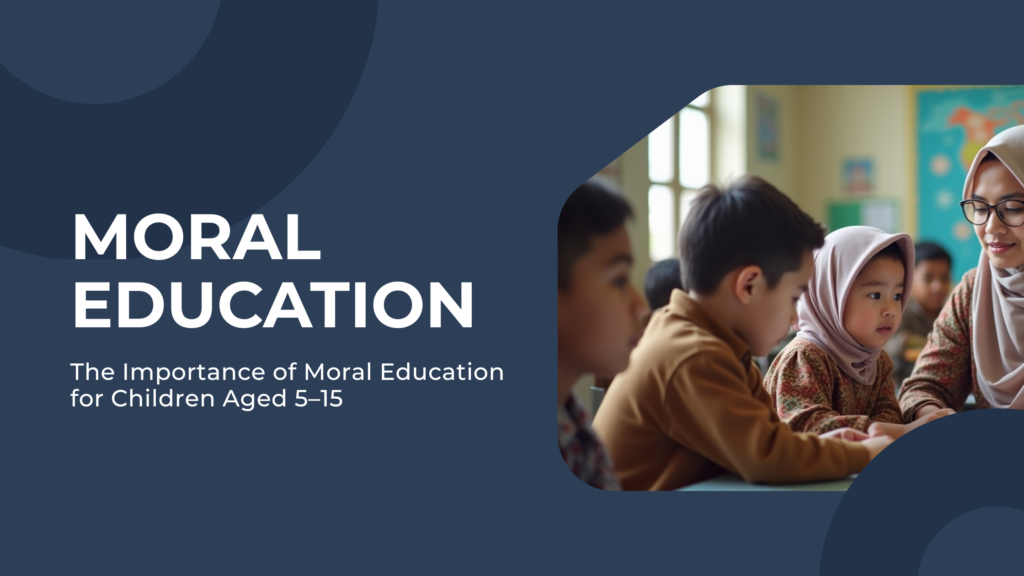
Childhood is the most crucial stage of human development. Between the ages of 5 and 15, children grow rapidly—physically, emotionally, socially, and intellectually. This period is often referred to as the formative years, as the values and habits built during these years shape their personalities for life. While academic learning is essential, education is incomplete without moral education.
At LearnGate, our Moral Education Program is designed to nurture young minds with Islamic values, daily life ethics, and Quranic guidance, ensuring that children not only excel in studies but also grow into responsible, compassionate, and confident individuals.
What Is Moral Education?
Moral education goes beyond textbooks and examinations. It refers to the systematic teaching of values, ethics, and principles that guide a child to distinguish between right and wrong. It develops honesty, respect, kindness, self-discipline, and empathy—qualities every parent and educator wishes to see in children.
For Muslim children, moral education is deeply rooted in Islamic teachings, Quran recitation, Sunnah of the Prophet ﷺ, and the values of everyday life. It prepares them to balance worldly success with spiritual and ethical responsibility.

Why Ages 5–15 Are Critical for Moral Development
Children between 5 and 15 are like fresh clay—ready to be molded into positive characters with the right guidance. Research in child psychology shows that:
- 5–10 years (Early childhood): Children begin to imitate adults and role models. At this stage, they absorb habits, behaviors, and values quickly.
- 11–15 years (Pre-teens and teens): They start questioning, exploring, and developing their sense of identity. This is when moral grounding protects them from negative peer pressure and social distractions.
By integrating moral education at this stage, we provide children with lifelong tools to face challenges, make ethical choices, and lead with integrity.
The Role of Islamic Moral Education
For Muslim families, moral education cannot be separated from Islamic education. Teaching children how to pray, recite Quran, and understand basic Islamic principles is not only a religious duty but also a way to instill discipline, respect, and responsibility.
Some core Islamic practices that strengthen moral values include:
- Quran Recitation: Enhances spiritual connection, discipline, and patience.
- Daily Prayers (Salah): Builds time management, responsibility, and obedience to Allah.
- Respect for Parents and Elders: Instills gratitude and compassion.
- Truthfulness and Honesty: Develops trustworthiness and good character.
When combined with modern educational methods, this holistic approach shapes a balanced and successful child.
Key Benefits of Moral Education for Ages 5–15
1. Character Building
Moral education teaches children honesty, discipline, and responsibility. A child who understands the value of truth will grow into an adult respected in society.
2. Better Decision-Making Skills
Children equipped with moral reasoning can distinguish right from wrong even in complex situations. This empowers them to make ethical choices in school, friendships, and future careers.
3. Respect and Empathy
Teaching respect for parents, teachers, and peers creates a culture of kindness. Empathetic children grow into compassionate adults who contribute positively to society.
4. Academic Success and Discipline
A disciplined child is naturally more focused in academics. Studies show that children who practice good moral habits such as punctuality and honesty perform better in school.
5. Resilience Against Negative Influences
The teenage years come with challenges such as peer pressure, bullying, or exposure to harmful content. Strong moral grounding acts as a shield, keeping children safe from harmful behaviors.
6. Integration of Faith and Life
For Muslim children, moral education bridges religious practices with daily life. This integration creates a strong identity, confidence, and clarity in living with Islamic values in a modern world.
How LearnGate’s Moral Education Program Stands Out

At LearnGate Educational Institute, we believe that education without values is incomplete. Our carefully designed Moral Education Program for ages 5–15 includes:
- Daily Quran Recitation and Memorization: Building spiritual discipline.
- Interactive Islamic Studies: Age-appropriate lessons on Prophet stories, Islamic manners, and daily supplications.
- Value-Based Workshops: Fun activities teaching honesty, teamwork, and empathy.
- Practical Life Lessons: Training children to practice kindness, respect, and gratitude in real situations.
- Creative Activities: Arts, crafts, and science experiments integrated with moral lessons to make learning enjoyable.
Through this balanced program, children experience both fun learning and meaningful growth.
The Role of Parents and Educators
Moral education is most effective when parents and teachers work together. Parents can reinforce daily lessons at home by:
- Leading by example in kindness, prayer, and truthfulness.
- Encouraging children to practice gratitude and respect daily.
- Monitoring and guiding their use of digital media.
- Creating a supportive environment where values are lived, not just taught.
Educators, on the other hand, must ensure classrooms are safe, respectful, and nurturing spaces where children feel inspired to uphold values.
Future Impact: Nurturing next generation with Values
The true success of education is measured not by grades but by the quality of character. A society of young individuals equipped with strong moral values becomes a society that thrives in peace, justice, and progress.
By investing in moral education during the critical years of 5–15, we are preparing leaders of tomorrow who are not only academically successful but also spiritually grounded, ethically responsible, and socially compassionate.
Conclusion
In today’s fast-paced and technology-driven world, the importance of moral education for children aged 5–15 cannot be overstated. It is the foundation that nurtures respect, empathy, honesty, discipline, and faith. At LearnGate, our mission is to ensure that every child receives not only quality academic learning but also the values and principles that shape a purposeful life.
With moral education, we are not just teaching children—we are building a generation of confident, responsible, and value-driven leaders who will shine in this world and the hereafter.